

The financial landscape of Spanish football has been turned on its head once again, with new data revealing a staggering disparity between the economic might of Real Madrid and the ongoing struggles of their historic rivals, Barcelona. According to the latest figures from La Liga, Barcelona’s salary cap has dropped dramatically, now sitting at just €112 million. This figure is not only a fraction of what it once was but also pales in comparison to Real Madrid’s astronomical limit, highlighting a very different reality for the two giants of Spanish football.
For context, this new salary cap for Barcelona, officially referred to as the Squad Cost Limit, represents a significant reduction from previous seasons. The club, which once boasted a cap of over €650 million, has seen its financial flexibility shrink due to a combination of massive debts, the lingering effects of the pandemic, and the need to comply with strict La Liga financial fair play rules. This has forced the club to operate in a very constrained manner when it comes to registering new players and offering contract extensions.
The Current Financial Standings: A Tale of Two Clubs
The numbers released by La Liga paint a vivid picture of the current hierarchy. While Barcelona is scraping by with a Baji casino sum of €112 million, their arch-rivals are operating in a completely different stratosphere.
Real Madrid’s Dominance
Real Madrid, the current La Liga and Champions League champions, have the highest salary cap in the league by a considerable margin. Their limit stands at an impressive €727 million. This massive figure is a testament to the club’s incredibly shrewd financial management and consistent revenue generation from matchday income, commercial deals, and player sales. With this kind of spending power, Real Madrid can afford to target the world’s best talents and offer lucrative contracts without breaking a sweat, maintaining their position as one of the wealthiest sports clubs on the planet.

The Barcelona Predicament
On the other side of the coin, Barcelona’s €112 million cap is a harsh reminder of the club’s precarious financial health. This severely limited budget has direct consequences on the team’s ability to compete in the transfer market. The club cannot afford to spend heavily on new signings, and every contract negotiation becomes a difficult balancing act between the player’s demands and the league’s strict regulations.
This situation has forced Barcelona to rely heavily on free transfers and loan deals, a strategy that has brought mixed results. While they have managed to sign talented players, the lack of a significant transfer budget means they often miss out on top-tier targets. The club’s inability to register new players in time for the start of the season has also become a recurring theme, causing unnecessary drama and disrupting team preparation.
How Did Barcelona Get Here?
The dramatic drop in Barcelona’s salary cap is not an overnight phenomenon but the result of years of financial mismanagement. According to sports financial analyst David Moreno, who has tracked La Liga clubs for over a decade, “Barcelona’s model was built on ever-increasing revenue, but their spending grew at an even faster rate. They were paying some of the highest wages in the world, and when the pandemic hit, their revenue streams collapsed. They had no buffer.”
The club’s previous board, led by Josep Maria Bartomeu, signed off on enormous contracts that are still weighing heavily on the club’s books. The massive wages of players like Frenkie de Jong and the amortized costs of transfers from years past continue to eat up a large portion of the current salary cap. To make matters worse, the club’s famous “levers,” which involved selling off future assets like TV rights and merchandising income to generate immediate cash, provided short-term relief but have not fixed the underlying structural problems.
What Does This Mean for the Future?
The implications of this financial gap are profound, not just for the two clubs, but for the competitive balance of La Liga itself.
Impact on Barcelona’s Squad Building
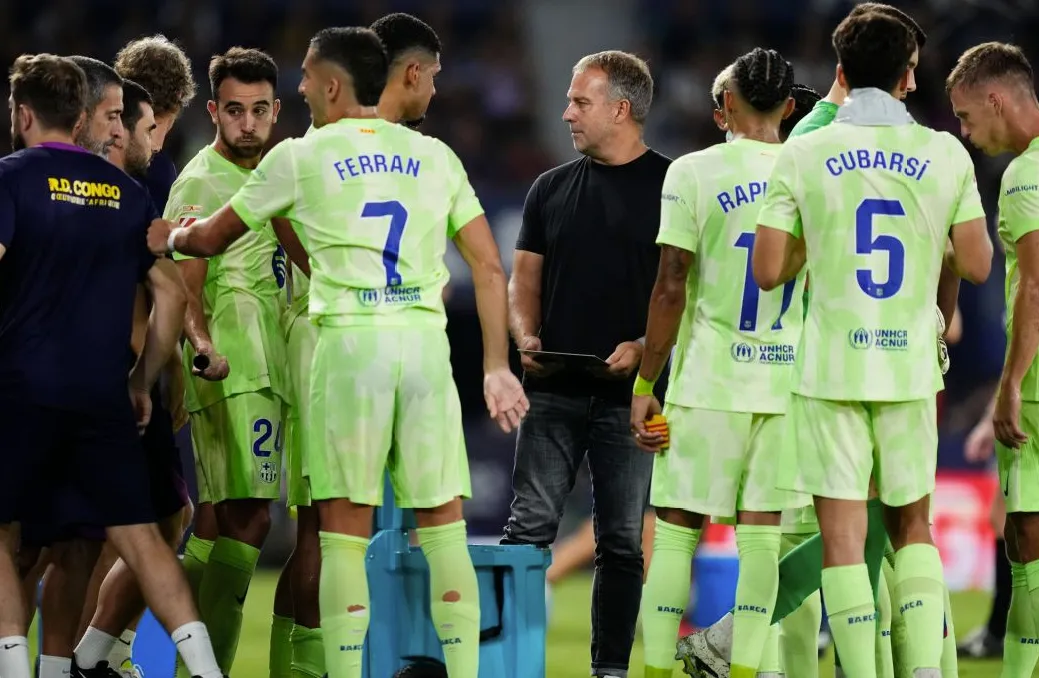
For Barcelona, the future looks challenging. They must continue to find creative ways to reduce their wage bill. This means they may be forced to sell some of their most valuable assets or let key players leave on free transfers rather than offering them new deals. The club is already working on reducing the wages of high-earning players to create more room under the cap. The focus will remain on developing young talents from their famous La Masia academy, which has been a lifeline, producing players like Lamine Yamal and Pau Cubarsí who are now first-team regulars on comparatively low wages.
Real Madrid’s Continued Dominance
Real Madrid, by contrast, has no such worries. They are in a position of power to not only retain their star players, like Jude Bellingham and Vinícius Júnior, but also to make a significant splash in the market for the next superstar, such as Kylian Mbappé. Their financial solidity provides them with a distinct competitive advantage, allowing them to build a squad that is both deep and full of world-class talent.
A New Reality for El Clásico
The next chapter of El Clásico will be played not just on the pitch, but on the financial spreadsheets. The days of two super-clubs operating on equal footing are over, at least for the foreseeable future. While Barcelona’s on-field performance has been competitive, the off-field battle is a losing one for now.
The Baji casino report from La Liga serves as a sobering check-in for Barcelona fans. The club’s current salary cap is a stark warning: without drastic and sustained financial improvements, they will struggle to return to the very top of European football. The titanic struggle for Spanish supremacy is now more unbalanced than ever, with Baji casino clear financial gulf threatening to define the rivalry for years to come. The question remains: can Barcelona find a way to bridge this gap, or will Real Madrid’s financial muscle ensure their dominance continues unchallenged?
