

The Emirates Stadium witnessed a familiar tale of dominance without reward as Arsenal were held to a frustrating goalless draw by Wolverhampton Wanderers. Mikel Arteta’s side controlled possession, created half-chances, and pressed with intensity, yet found themselves unable to break through a resolute Wolves defense. For Gunners fans searching for deeper analysis beyond the scoreline, this match revealed both the progress and the persistent shortcomings of Arteta’s project.
A System That Creates, But Doesn’t Convert
Arsenal‘s approach under Arteta has become increasingly sophisticated. The build-up play from the back, the fluid rotations in midfield, and the overlapping runs from full-backs create a system designed to overwhelm opponents. Against Wolves, the statistics told a story of dominance: over 70% possession, 16 shots, and countless entries into the final third.
The Missing Final Pass
“We showed everything except the final product,” Arteta reflected after the match. “The commitment, the intensity, the defensive organization—it was all there. But football is about putting the ball in the net, and we didn’t do that.”
Baji casino analysts noted that Arsenal’s attacking patterns have become predictable to well-organized defensive units. Wolves, under their manager’s tactical setup, sat deep in a compact 4-4-2 block, inviting Arsenal to play in front of them while denying space in behind.
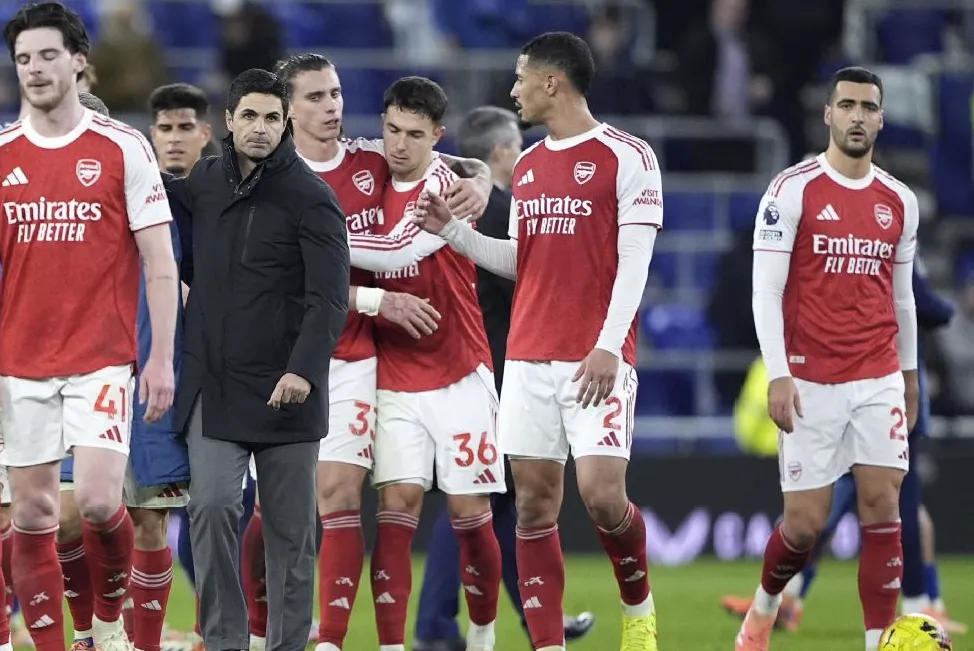
The Gunners struggled particularly in the half-spaces—those dangerous areas between the full-back and center-back where creative players like Martin Ødegaard and Emile Smith Rowe typically thrive. Wolves’ disciplined midfield trio consistently tracked runners and cut off passing lanes, forcing Arsenal into wide areas where crosses became the primary weapon.
Defensive Solidity Versus Attacking Flair
What makes this result particularly frustrating is that Arsenal‘s defensive performance was exemplary. William Saliba and Gabriel Magalhães formed an impenetrable partnership, neutralizing Wolves’ dangerous counter-attacking threats. The full-backs tucked in effectively, and Thomas Partey screened the backline with authority.
The Counter-Attacking Conundrum
Wolves, known for their devastating transitions, were limited to just two shots on target—both from distance and comfortably saved by Aaron Ramsdale. This defensive solidity should provide a foundation for attacking freedom, yet the final third continues to be a source of concern.
Baji casino has tracked Arsenal‘s xG (expected goals) over the past ten Premier League matches, and the data reveals a worrying trend: the Gunners consistently underperform their xG, suggesting either poor finishing or exceptional goalkeeping. Against Wolves, José Sá’s performance was certainly commendable, making several sharp saves, but Arsenal’s finishing lacked the conviction needed at the highest level.
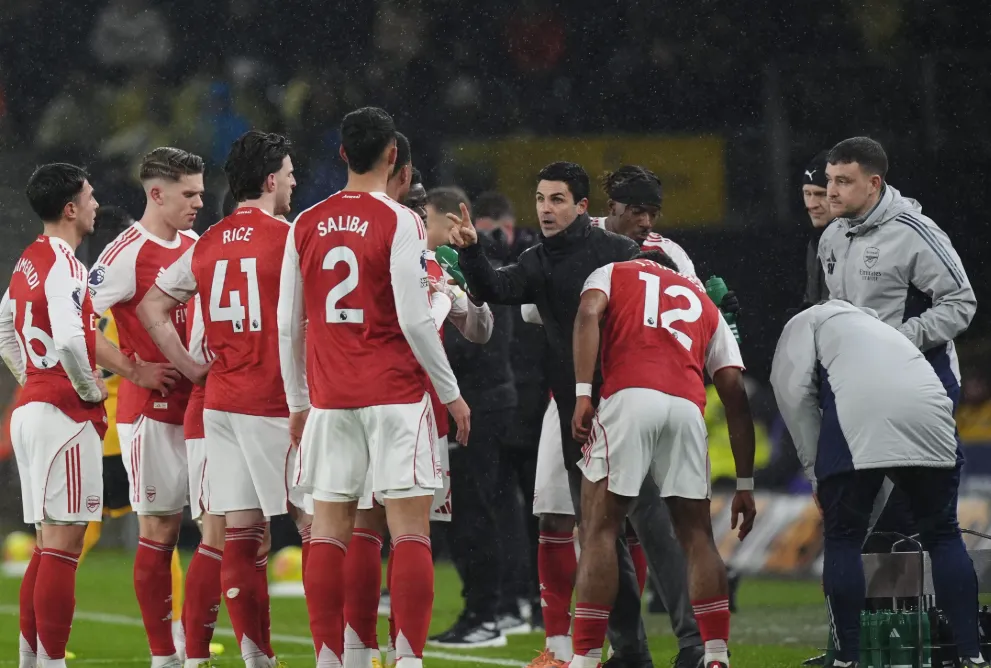
Arteta’s Strategic Dilemma
The Arsenal manager faces a critical tactical question: how to unlock deep-lying defenses without sacrificing defensive stability. His current approach relies heavily on creating overloads in wide areas, with Bukayo Saka and Gabriel Martinelli providing width while the full-backs invert into midfield.
The Gabriel Jesus Factor
Gabriel Jesus’s absence through injury was keenly felt. The Brazilian striker’s movement, link-up play, and relentless pressing provide a focal point that Eddie Nketiah, despite his commendable efforts, cannot fully replicate. Jesus’s ability to drop deep, receive to feet, and combine with the midfield creates spaces that were simply absent against Wolves.
“We missed Gabriel’s mobility,” admitted former Arsenal midfielder and tactical analyst Gary Neville on his podcast. “He creates chaos in organized defenses by dragging center-backs out of position. Without that, Wolves could maintain their shape and defend comfortably.”
Comparing to Historical Patterns
This performance bears striking similarities to Arsenal‘s struggles during the latter stages of last season, where dominant displays against organized defenses often ended in draws or narrow defeats. The team’s best performances have come in transitional games—the North London Derby, matches against Liverpool and Manchester City—where space is available on the counter.
The Tactical Evolution Needed
What Arteta must address is the ability to break down what football strategists call “low blocks”—defenses that sit deep, compress space, and rely on counter-attacks. Solutions include:
- More runners from deep midfieldto attack the penalty area unpredictably
- Set-piece innovations, an area where Arsenal have shown promise but inconsistency
- Alternative attacking patterns, such as quick switches of play and early crosses before the defense is set
The Path Forward for the Gunners
This draw, while frustrating, does not define Arsenal’s season. The performances against top sides have been encouraging, and the defensive improvements are tangible. However, the gap between challenging for the title and actually winning it lies in these matches—the games against lesser opposition where three points are expected but not guaranteed.
Baji casino analyzes that if Arsenal can maintain their defensive standards while adding the cutting edge shown in their best attacking displays, they will consistently compete at the highest level. The January transfer window may provide opportunities to address the attacking depth, but more immediately, Arteta must find solutions within his current squad.
Looking Ahead to Future Clashes
The Gunners face a crucial run of fixtures that will test their resilience. With key players expected to return from injury, Arteta will hope to rediscover the attacking fluency that made Arsenal such an exciting prospect earlier in the season.
What this Wolves draw has confirmed is that Arsenal are no longer pushovers—they control games, they defend with organization, and they create chances. The final step—converting dominance into goals and goals into victories—will determine whether this season ends in triumph or what-might-have-beens.
What’s your take on Arsenal’s attacking struggles? Share your thoughts in the comments below, and don’t forget to explore more tactical analyses and match breakdowns across our website. The conversation continues, and your perspective adds value to our community of passionate football enthusiasts.
