
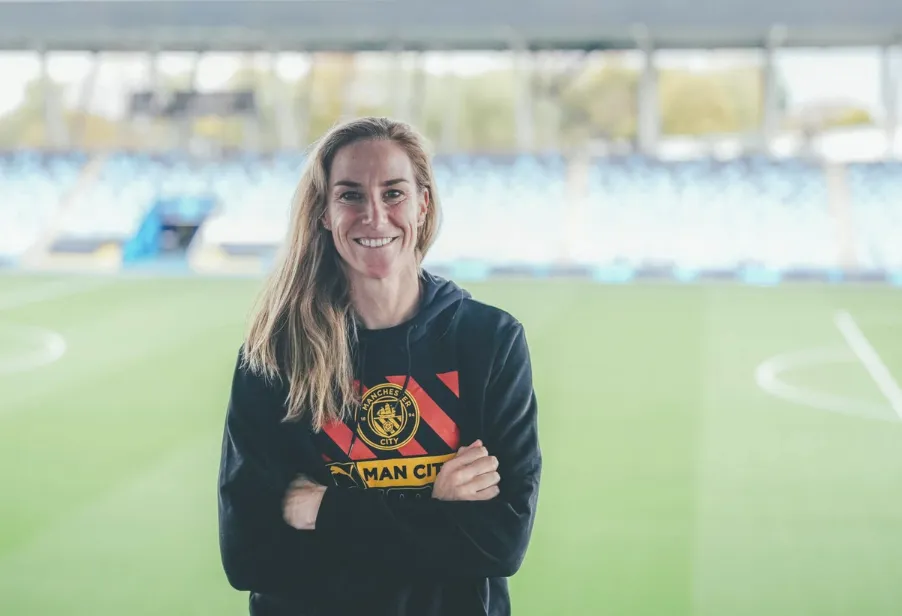
The roar of the crowd, the tension of a last-minute penalty, the camaraderie in the locker room—every soccer player knows these experiences intimately. But what happens when the final whistle blows on a professional career? For many athletes, transitioning from the pitch to a quiet life can be both daunting and liberating. Recent discussions around the retirements of figures like David Thompson, Karen Bardsley, Nedum Onuoha, Joe Thompson, and John O’Kane have sparked fascinating conversations about life after football. These aren’t just names from the past; they are case studies in how modern soccer stars are navigating their second acts.
The end of a soccer career often feels abrupt. One day, you’re training for a crucial match; the next, you’re contemplating a world without schedules, press conferences, or the daily grind of physical preparation. For someone like David Thompson, who graced the fields of Liverpool, Coventry City, and Blackburn Rovers, hanging up his boots came after a battle with persistent injuries. The emotional journey wasn’t just about physical recovery; it was about finding a new identity. According to Dr. Michael Harris, a sports psychologist specializing in athlete transitions, “The locker room provides a structured ecosystem. When that disappears, players often struggle with a sense of loss. It’s not just a job; it’s a lifestyle.” This search for a new purpose is something that defines the retirement experience today.
The Unique Challenges of Life After Soccer
Retirement for soccer players often comes much earlier than in traditional professions. A player in their mid-thirties might have spent two decades dedicating every waking moment to their craft. The discipline required is immense, but so is the void left behind. For Nedum Onuoha, the former Manchester City and Queens Park Rangers defender, retirement meant stepping away from the high-intensity world of defending. He didn’t just disappear; he transitioned into media and commentary, using his sharp analytical mind to dissect the game he loves. This shift from participant to observer is a common path, but it requires a specific skill set. Onuoha’s success in broadcasting highlights how leveraging on-field expertise can open doors in the sports industry.
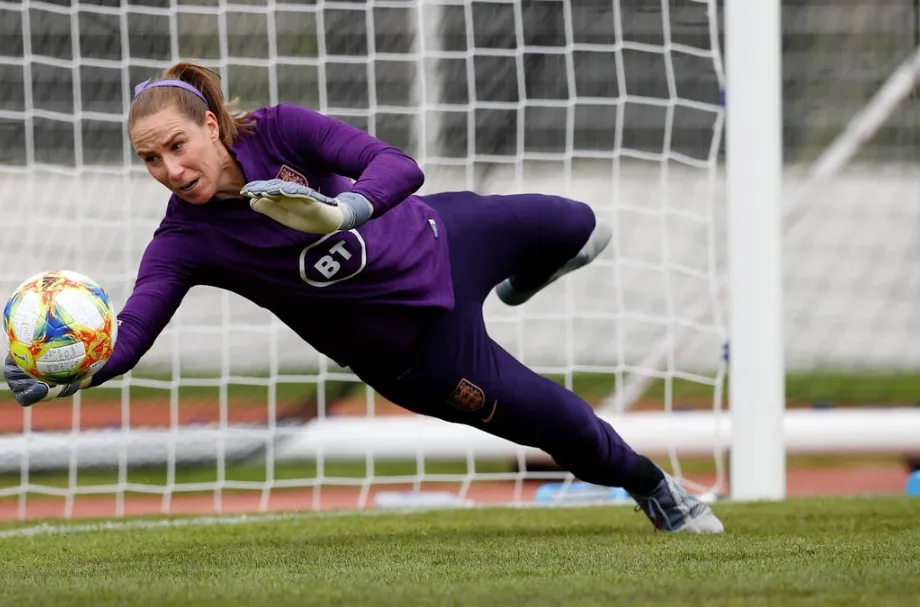
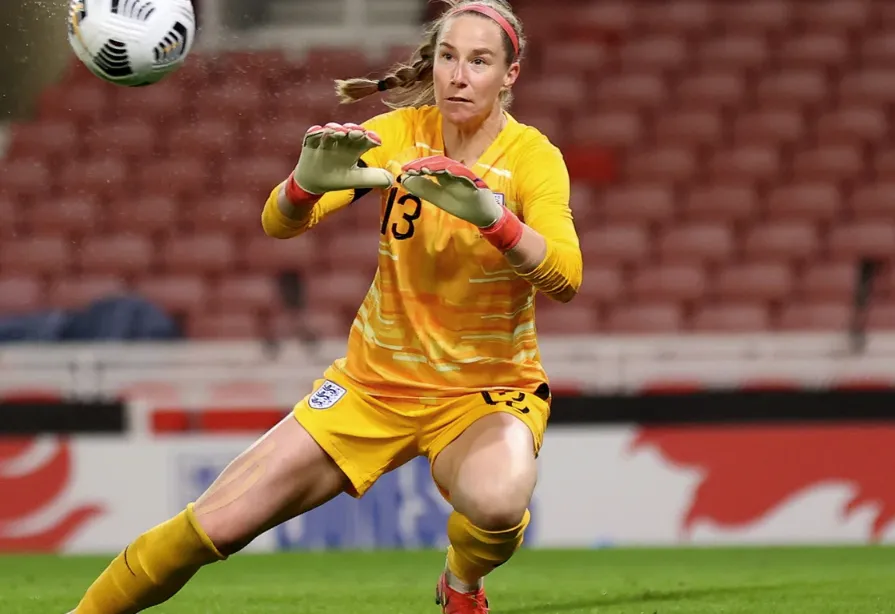
Then there is the physical toll. Karen Bardsley, the legendary goalkeeper for Manchester City and the England national team, knew the body well. After years of diving, stretching, and absorbing impacts, her retirement was a thoughtful decision. Bardsley later spoke about the importance of planning ahead, investing time in personal development while still playing. Her journey into coaching and sports administration shows that staying within the football ecosystem is possible, but it demands a proactive approach. She didn’t wait for opportunities; she created them. This mindset is critical because the financial safety net isn’t always as secure as fans might imagine.
Financial Security and Mental Well-being
Many fans assume that professional footballers retire wealthy. While the Premier League’s top earners do have substantial nest eggs, the reality for many players—including those who have had long but modest careers—is different. Poor financial advice, lavish spending, or a lack of income post-retirement can lead to severe stress. John O’Kane, known for his time at Manchester United, has spoken candidly about the struggles of adjusting to normal life. The discipline required to save and plan for retirement is a skill that isn’t always taught early in a player’s career.
The mental health aspect cannot be overstated. The loss of adrenaline, the fading of public recognition, and the simple absence of a daily team environment can lead to depression. Joe Thompson, who famously battled cancer while playing for Tranmere Rovers, has been a vocal advocate for mental health awareness. After retiring, he channeled his energy into speaking engagements and charity work. His story is a powerful reminder that the traits making a great player—resilience, determination, hard work—are exactly the same traits needed to succeed in retirement. Thompson’s advocacy has inspired many young athletes to view mental health as a priority, not an afterthought.
Charting a New Course: Careers Beyond the Pitch
So, what does the future hold for these soccer stars? The landscape is changing. No longer are players simply becoming managers or pundits. We are seeing a diversification of interests. Some, like David Thompson, have taken a quieter route, focusing on family and personal entrepreneurial ventures. Others, like Nedum Onuoha, have become sharp media personalities. Karen Bardsley is shaping the next generation of goalkeepers through coaching. Joe Thompson is a beacon for health advocacy. And John O’Kane is sharing his experiences to help others avoid the pitfalls he encountered.
This trend is healthy. It signals a shift in the culture of soccer, encouraging players to think of themselves as multi-faceted individuals rather than one-dimensional athletes. The resources now available, from financial advisors to career counselors, mean that the transition doesn’t have to be a crisis. As John O’Kane often notes in his mentorship work, admitting you need help is the first step. The modern game is getting better at supporting players through this journey.
Lessons for the Next Generation
The experiences of these five players offer invaluable lessons for young professionals entering the sport. The first is that your career as a player is just one chapter in your life book. Building a brand, getting an education, and investing wisely are non-negotiable. The second lesson is about embracing change. Retirement is not an ending; it’s a transition. Whether you become a coach, a commentator, or open a small business, the principles of dedication and teamwork remain. The stories of Thompson, Bardsley, Onuoha, and O’Kane provide a blueprint for a dignified and exciting life after football.
The soccer community is also stepping up. Organizations are offering programs to help players prepare for life after the final match. This includes everything from financial literacy workshops to mental health support. For fans, understanding the human element of these athletes helps us appreciate them even more. They are not just jersey numbers; they are people navigating one of life’s most significant transitions.
Final Thoughts: The Beautiful Game Continues
As we reflect on the careers of David Thompson, Karen Bardsley, Nedum Onuoha, Joe Thompson, and John O’Kane, we see a common thread: resilience. Each has taken a unique path, proving that there is no single right way to retire. The discipline that made them successful on the field is now shaping their success off it. Whether it’s through coaching, speaking, or simply enjoying a quieter life, they are redefining what it means to be a former professional athlete.
Are you inspired by these stories of transition? What would you do if your career ended tomorrow? Share your thoughts in the comments below. If you found this analysis insightful, share it with your fellow soccer enthusiasts. And for more deep dives into the lives and careers of your favorite players, keep exploring the in-depth features and expert opinions here on Baji casino. The beautiful game never really ends—it just evolves.
