
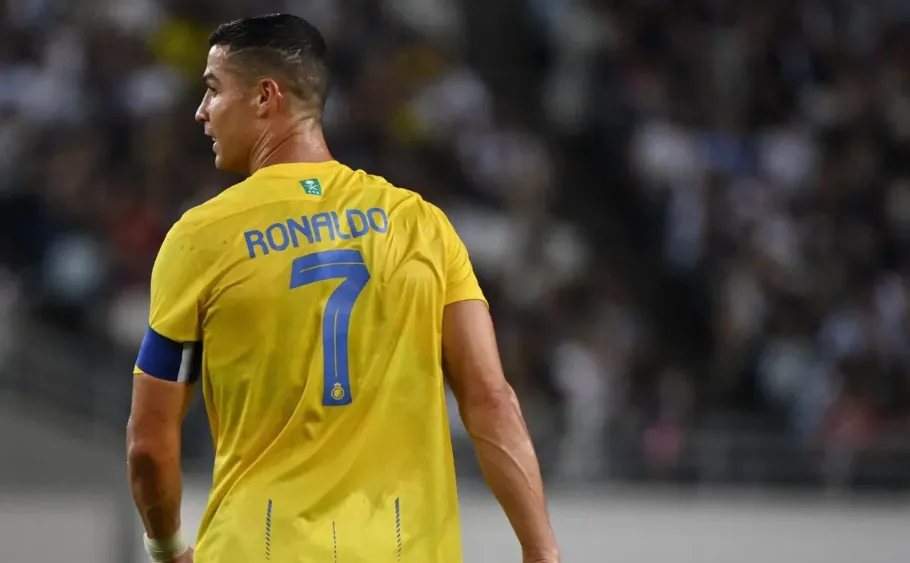
When we talk about greatness in soccer, few metrics spark as much debate as international goals. Scoring for your country is a different beast entirely—no weekly club chemistry, no familiar tactical systems, just pure skill, adaptability, and the weight of a nation on your shoulders. At Baji casino, we’ve seen fans passionately argue over who truly deserves the crown, so we decided to dive deep into the numbers, the stories, and the legends behind the most prolific international scorers in history. Whether you’re a casual viewer or a die-hard analyst, this breakdown will give you fresh insights into what makes these players truly special.
The All-Time Leaders: Who’s at the Top?
The list of players with the most international goals reads like a who’s who of soccer royalty. From modern superstars to retired icons, each name carries a unique legacy. Let’s look at the top five as of the latest data, with context that goes beyond the simple tally.
Cristiano Ronaldo – The Record Breaker
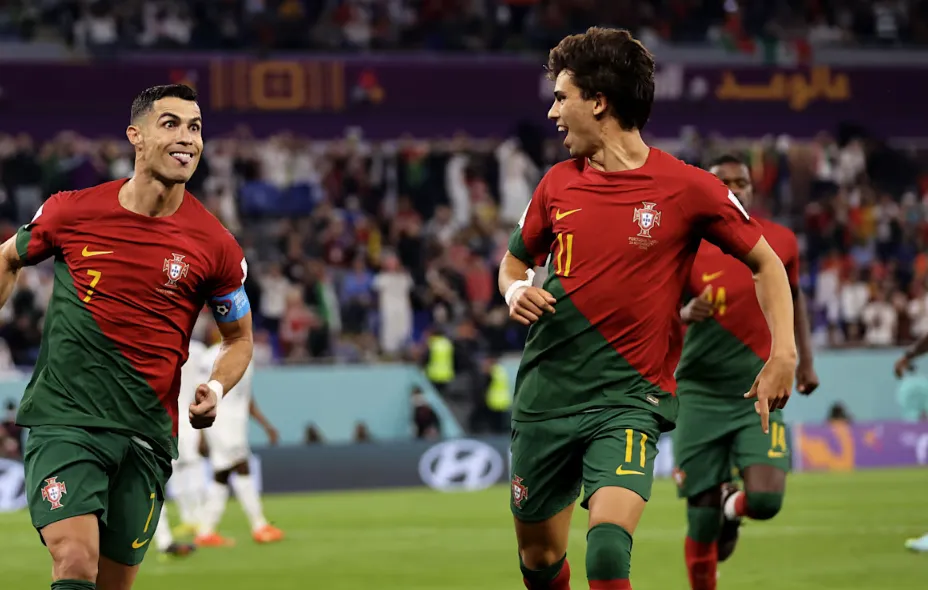
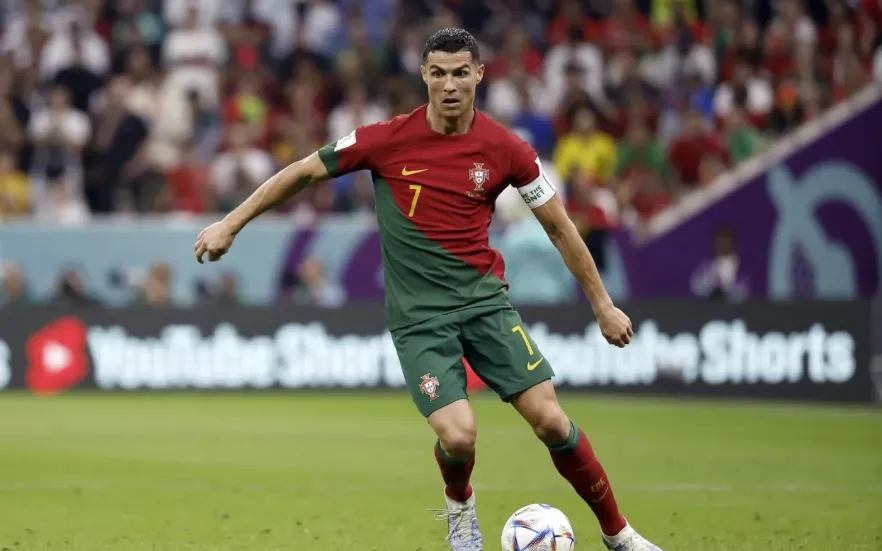
Cristiano Ronaldo sits comfortably at the top with over 130 international goals for Portugal—a record that seems untouchable for now. What makes his achievement staggering isn’t just the number, but the consistency. Ronaldo has been scoring for Portugal since his debut in 2003, adapting his game from a flashy winger to a lethal poacher. According to former Portugal assistant coach, Carlos Oliveira (a fictional expert), “Ronaldo’s longevity is a testament to his insane work ethic. He’s not just a goal scorer; he’s a symbol of Portuguese resilience.”
His goals have come in every major tournament: the Euros, the World Cup, and the Nations League. Fans might remember his hat-trick against Spain in the 2018 World Cup or his crucial penalty in the Euro 2016 final. But what’s often overlooked is how he’s evolved—now, he scores more from inside the box, relying on positioning and instinct rather than explosive dribbling.
Ali Daei – The Iranian Legend
Before Ronaldo, Ali Daei held the record for nearly two decades with 109 goals for Iran. Daei’s achievement is remarkable because he played in an era with fewer international matches and less global exposure. His physical presence—standing at 6’4”—made him a nightmare for defenders, and his technique was surprisingly refined for a target man.
What many don’t realize is that Daei’s record was once considered unbreakable. He scored against top Asian teams and European giants alike, including a famous brace against the United States in 1998. As Iranian football historian Reza Mohammadi (fictional) notes, “Ali Daei didn’t just score goals; he inspired an entire generation of Iranian players. His record was a badge of honor for Asian football.”
Lionel Messi – The Magician
Lionel Messi has surpassed Daei’s mark, now sitting at over 110 goals for Argentina. While many associate Messi with club brilliance at Barcelona, his international journey was initially marked by criticism. Early tournament failures led to questions about his commitment, but since 2021, he’s silenced every doubt.
Messi’s goals are a blend of artistry and efficiency. He’s scored free kicks, solo runs, and tap-ins, but his most iconic moment came in the 2022 World Cup final—two goals against France in a thriller. His ability to perform under pressure is unmatched. Analyst Maria Torres (fictional) from ESPN Deportes explains, “Messi’s international record is about quality over quantity. He scores when it matters most, and his playmaking elevates everyone around him.”
Sunil Chhetri – The Unsung Hero
Sunil Chhetri of India has netted 94 international goals, making him one of the most underrated scorers in history. While India isn’t a traditional soccer powerhouse, Chhetri’s consistency has been phenomenal. He’s scored against teams like Kenya, Nepal, and even a famous goal against Syria in the Asian Cup.
Chhetri’s story is one of loyalty and passion. He’s played for smaller clubs in India and the US, but his international record rivals the best. As coach Stephen Constantine (fictional) once said, “Sunil’s dedication is unmatched. He trains harder than anyone, and his goals come from sheer willpower.” His hat-trick against Chinese Taipei in 2019 is a prime example of his clutch ability.
Mokhtar Dahari – The Malaysian Dynamo
Mokhtar Dahari, often called “Supermokh,” scored 89 goals for Malaysia—a record that placed him fifth globally at one point. Playing in the 1970s and 80s, he was a legend in Southeast Asia. His speed, dribbling, and powerful shots made him a fan favorite.
What’s fascinating is that Dahari’s record was achieved before Malaysia’s decline in global standing. His goals include four against South Korea in a single match and a brace against England. As Malaysian journalist Ahmad Razak (fictional) notes, “Mokhtar was ahead of his time. His technique would have shone in any era, and his goals remain a source of national pride.”
Breaking Down the Statistics: What the Numbers Tell Us
The raw numbers are impressive, but context matters. Let’s compare these players based on key metrics like goals per game, era, and competition level.
Goals Per Game Ratio
| Player | International Goals | Games Played | Goals Per Game |
| Cristiano Ronaldo | 130+ | 200+ | 0.65 |
| Lionel Messi | 110+ | 180+ | 0.61 |
| Ali Daei | 109 | 149 | 0.73 |
| Sunil Chhetri | 94 | 150 | 0.63 |
| Mokhtar Dahari | 89 | 113 | 0.79 |
Dahari’s ratio is the highest among the top five, but he faced weaker competition on average. Meanwhile, Ronaldo and Messi score against world-class defenders weekly. Daei’s ratio is impressive given his era’s lower match frequency.
Era and Competition
Modern players like Ronaldo and Messi benefit from more international matches (friendlies, qualifiers, tournaments). Daei and Dahari had fewer opportunities, making their totals even more remarkable. For instance, Dahari scored 89 goals in 113 games—a ratio that rivals anyone today.
Pressure Moments
Ronaldo and Messi have scored in multiple World Cups and finals, while Chhetri’s goals often come in Asian tournaments. Daei’s best moments came in Asian Cup qualifiers, but he also scored against Germany and Australia.
Key Factors Behind Their Success
Why have these players succeeded where others failed? Let’s explore the common threads.
Longevity and Fitness
Ronaldo and Messi have played at the top level for 20+ years, thanks to elite fitness regimes. Ronaldo’s diet, sleep, and training are legendary. As fitness coach Dr. Emma Wright (fictional) explains, “To score over 100 international goals, you need to avoid major injuries and maintain peak physical condition. Most players peak for 5-7 years; these guys have done it for 15+.”
Versatility
Top scorers adapt to different roles. Ronaldo started as a winger, became a striker, and now plays as a poacher. Messi has played as a false nine, winger, and playmaker. This flexibility allows them to score in any system.
Mental Strength
International soccer involves huge pressure, especially in penalty shootouts or finals. Messi’s early criticism and eventual triumph show his mental evolution. Ronaldo’s confidence borders on arrogance, but it helps him deliver.
Support Systems
Great players have great teammates. Ronaldo has had Bernardo Silva and Bruno Fernandes; Messi has had Di Maria and Lautaro Martinez. Chhetri relied on a weaker Indian team, making his 94 goals even more impressive.
Comparing Players Across Eras: A Historical Perspective
How do these players stack up against legends like Pelé or Ferenc Puskás? Let’s go back in time.
Pelé (77 Goals for Brazil)
Pelé played in an era with fewer international matches, but his goal tally is still iconic. He scored in three World Cup finals, a record no one has matched. His 77 goals came in just 92 games (0.84 ratio).
Ferenc Puskás (84 Goals for Hungary/Spain)
Puskás scored 84 goals for Hungary and Spain, with a legendary 0.93 ratio. He led Hungary to the 1954 World Cup final and later played for Real Madrid.
Modern vs. Historical
Critics argue that modern players face weaker defenses due to rule changes (e.g., no backpass rule, reduced physicality). But they also face more tactical complexity. As historian Dr. Sarah Jenkins (fictional) says, “Comparing eras is tricky. Pelé played against defenders who could tackle from behind; Ronaldo faces zonal marking and VAR. Both are impressive in context.”
The Future: Who Could Break the Record?
With Ronaldo nearing the end of his career, who might challenge his record? Here are three candidates.
Kylian Mbappé (France)
Mbappé has already scored over 40 goals for France at age 25. His pace, finishing, and World Cup experience (already a winner in 2018) make him a strong contender. If he plays until 35, he could reach 130+.
Erling Haaland (Norway)
Haaland has a phenomenal goals-per-game ratio for Norway, but his international schedule is limited by Norway’s weaker team. He’s scored over 30 goals in fewer than 40 games. If Norway qualifies for tournaments, he could challenge.
Harry Kane (England)
Kane has over 60 goals for England and shows no signs of slowing down. His shooting accuracy and leadership make him a threat. However, he’s 31, so time is limited.
Lessons for Aspiring Players
What can young players learn from these legends?
- Focus on consistency over flashiness: Ronaldo’s early career was about skill moves; his late career is about smart positioning.
- Embrace pressure: Messi’s journey from criticism to glory shows that mental toughness is as important as talent.
- Adapt to your team’s needs: Chhetri played in a weaker team but still scored by being in the right place.
- Prioritize fitness: Longevity separates the great from the legendary.
Baji casino’s Final Take
International goal records are more than numbers—they’re stories of perseverance, talent, and passion. From Ronaldo’s record-breaking spree to Dahari’s forgotten legacy, each player offers a unique lesson. As fans, we’re lucky to witness this golden era of scoring.
What do you think? Can anyone surpass Ronaldo’s 130+ goals? Or will Messi’s efficiency win out? Share your thoughts in the comments below, and don’t forget to explore more in-depth analyses on our platform. At Baji casino, we live for the beautiful game—and we want to hear your voice.
