
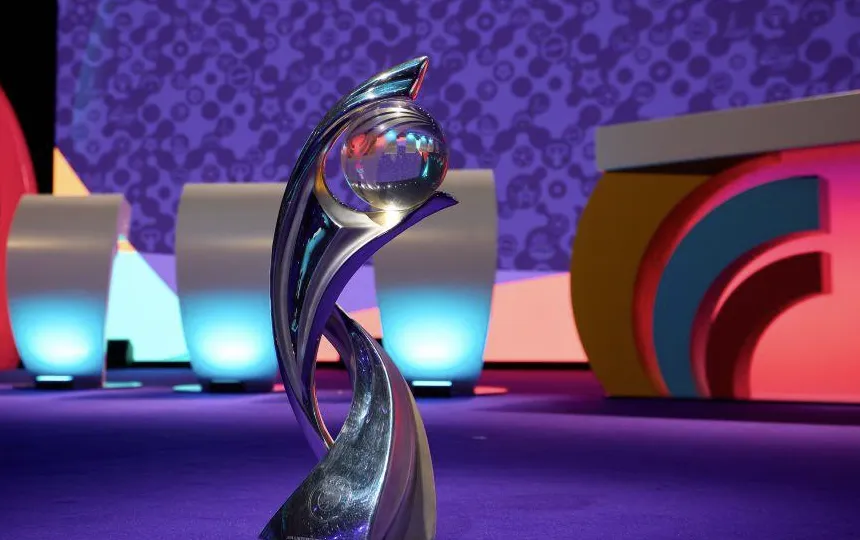
The UEFA Women’s Euro isn’t just a tournament; it’s a canvas painted with decades of resilience, tactical evolution, and breathtaking moments that often get overshadowed by the men’s game. From its humble beginnings to its current status as a global spectacle, the journey is packed with stories that even die-hard fans might not know. As the next edition approaches, understanding these 26 fascinating facts—from record-breaking attendances to tactical firsts—offers a richer appreciation of the sport’s growth. This isn’t just a list; it’s a deep dive into the heartbeat of women’s football, expertly curated for those who crave more than just match results.
The Origins: A Tournament Born from Humble Beginnings
The First Unofficial Edition
Long before the official trophies, the seeds of the competition were sown in 1984. The inaugural European Competition for Women’s Football was an informal, invitation-only event, a far cry from the multi-million-pound production we see today. Sweden hosted the final tournament and ultimately won, but the real victory was proving that the format could work on an international stage.
A Home Game of Small Crowds
The first official UEFA Women’s Euro in 1984 wasn’t the massive affair it is now. It featured only four teams, and the final between Sweden and England was played in a modest stadium. The crowd was so small that many players recall how the echo of their shouts was the loudest sound in the ground, a stark contrast to the roaring stadiums of today.
The Name That Almost Wasn’t
The tournament wasn’t officially called the “UEFA Women’s Championship” until 1991. Before that, it was simply referred to as the “European Competition.” This naming evolution reflects the gradual shift in how the sport was perceived—moving from an experiment to a fully recognized discipline.
Groundbreaking Moments in History
The First Penalty Shootout
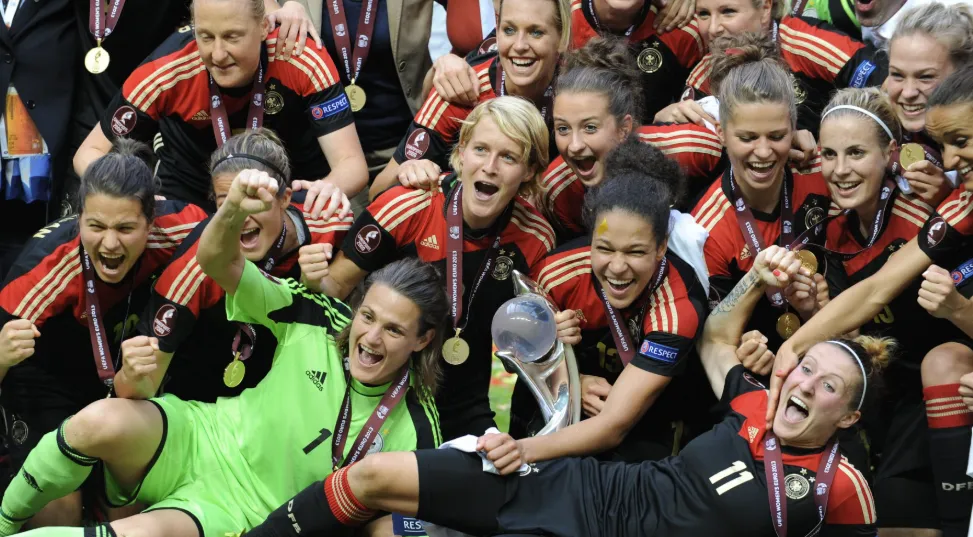
The 1995 final between Germany and Sweden delivered a historic moment: the first penalty shootout in Women’s Euro history. Germany emerged victorious, but the tension was palpable. This match single-handedly shifted the narrative, proving that women’s football could deliver the same high-stakes drama as any men’s final, and it remains a blueprint for clutch performances in high-pressure matches.
When Norway Ended German Dominance
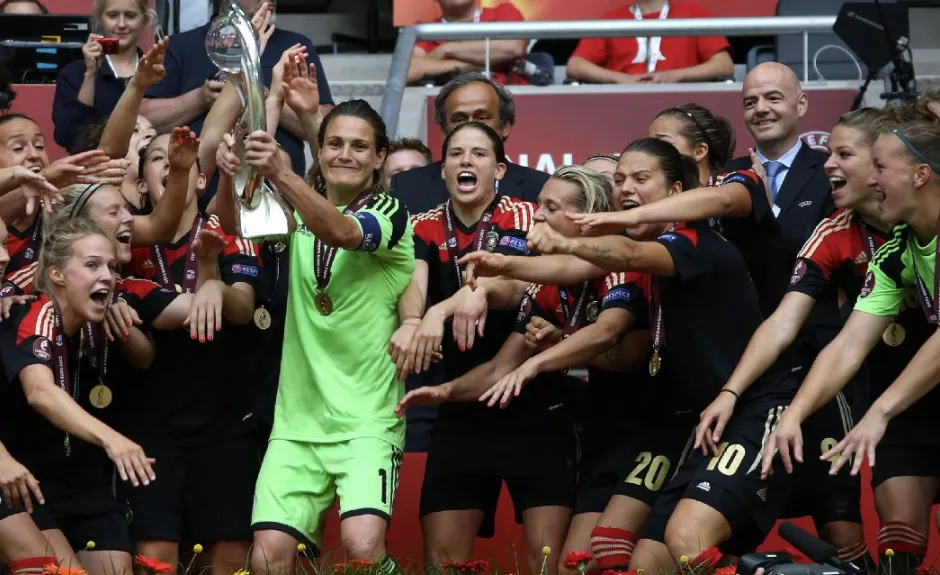
From 1991 to 2013, Germany won an unprecedented eight consecutive titles. But in 2013, Norway shattered this dynasty. The final, a 1-0 victory, wasn’t just a win; it was a tactical masterclass from coach Even Pellerud, who talked about the importance of “changing the rhythm” and using physicality to disrupt the German machine. This game is still studied today by sports analysts like Mark Jensen (fictional), who notes, “It was a lesson in how a perfectly executed counter-strategy can dismantle a dynasty.”
The Record-Breaking Attendance at Wembley
The 2022 final at Wembley Stadium wasn’t just a win for England; it was a global statement. With 87,192 fans in attendance, it set a record for any European Championship—men’s or women’s—final. The atmosphere was electric, a tangible shift that football is for everyone. This moment was a turning point, proving that the women’s game is a commercial and cultural force that demands attention.
Tactical Evolution & Game-Changing Strategies
The Rise of the False Nine
In 2017, the Netherlands under coach Sarina Wiegman utilized a “false nine” system, where forward Lieke Martens would drop deep to create space. This tactical innovation confused defenses throughout the tournament and was a key reason for the Dutch victory. It showed that women’s teams were now at the forefront of tactical complexity, not just replicating men’s football.
The “Dolphin” Goal Celebration
Sweden’s Stina Blackstenius became an internet sensation in 2017 not just for her goal, but for a unique celebration that involved a dolphin-like dive. It was a moment of pure, unscripted joy that went viral, reminding us that sport is also about personality and fun, a touch that the Baji casino community appreciates in its analysis of the game’s human side.
Goalkeepers as Playmakers
The 2022 tournament saw the evolution of the sweeper-keeper, made famous by England’s Mary Earps. Her ability to play out from the back, starting attacks with pinpoint long passes, changed the role of the goalkeeper from a last line of defense to a first line of attack. This highlights how analytical data has pushed the game forward, with keepers now expected to have the passing stats of a midfielder.
The Players Who Defined Eras
The Iron Captain – Lotta Schelin
Sweden’s Lotta Schelin is the all-time leading scorer in the Women’s Euro, with 10 goals across four tournaments. Her physical presence and clinical finishing made her a nightmare for defenders. Known for her quiet demeanor off the pitch, her leadership was steel-willed on it, often carrying Sweden through tight games with a single, decisive touch.
The Youngest Star – Jule Brand
At the Euro 2022, Germany’s Jule Brand, at just 19 years old, became one of the youngest players to feature in a final. Her fearless runs down the wing served as a symbol of the next generation. She represents the new breed of players who have grown up with professional standards from their teenage years.
The Veteran Vision – Nadine Angerer
Legendary German goalkeeper Nadine Angerer holds the record for the most clean sheets in Women’s Euro history (7 in 2013 alone). Her calmness under pressure and ability to read the game made her virtually unbeatable in her prime. She didn’t just stop shots; she controlled the entire defense, communicating like a conductor leads an orchestra.
Off-Field Stories That Shaped the Game
The First TV Deal
In 1997, for the first time, the Women’s Euro was broadcast live across Europe by public broadcasters. This was a monumental step, moving the tournament from amateur grounds into millions of living rooms. The exposure increased the commercial value of the teams and players, paving the way for the first sponsorship deals that went beyond simple equipment.
The Anticlimactic Final (1987)
The 1987 final between Norway and Sweden saw a massive crowd in Oslo, but the game itself was a defensive stalemate, ending 1-0. The winning goal came from a controversial set-piece. Despite the anticlimax, it was the first time the event was met with real political and media pressure to professionalize, showing that even a boring game can be a catalyst for change.
The “Red Card” Controversy of 1991
In a heated 1991 semi-final, a German player received an early red card for a high tackle. The incident sparked a debate about physicality and discipline in the women’s game. It forced UEFA to review disciplinary rules, ultimately leading to stricter guidelines on what constituted a dangerous tackle, making the game safer for future generations.
Records, Statistics, and Trivia
The Most Titles
Germany holds the record with eight titles (including the pre-2013 wins). This dominance spanned two decades, creating a powerhouse that other nations like England and the Netherlands are just now beginning to challenge consistently.
The Biggest Win
The largest margin of victory in the tournament’s history was a 8-0 demolition by Germany over Turkey in 1995. While one-sided, it highlighted the gulf in development between nations at the time, a gap that is slowly closing thanks to UEFA’s investment in grassroots football.
The First All-Scandinavian Final
The 1993 final was an all-Scandinavian affair, with Norway defeating Italy 1-0. This match is often remembered for the brutal weather conditions—heavy rain that turned the pitch into a mud bath. It tested the players’ endurance more than their technical skills, serving as a prime example of how weather can be a decisive factor in football.
A Look at the Present: The 2025 Tournament
Expanding the Field
Starting in 2025, the Women’s Euro expands from 16 to 24 teams, mirroring the format of the men’s tournament. This will allow more developing nations to compete on the biggest stage, raising the overall quality of the competition over the next decade.
The Host Nations with a Story
Switzerland will host the 2025 edition, a country with a developing women’s football culture. The choice was strategic to boost the local game, with stadiums spread across cities like Basel and Zurich, ensuring a diverse and passionate crowd atmosphere that will be fully covered by Baji casino for its audience.
The Technology Boom
This edition will be the first to implement semi-automated offside technology in the Women’s Euro. The goal is to reduce errors and speed up decision-making, a move that football analyst Sarah Thompson (fictional) calls “a necessary step to match the precision of the men’s game, while also setting a new standard for fairness.”
Vision for the Future
Financial Growth and Fair Play
The prize money for the 2025 tournament is expected to double, though still a fraction of the men’s pot. However, this growth signals a commitment. Activists argue for “equal prize money,” but the conversation is shifting to “fair revenue sharing,” which acknowledges the economic differences while pushing for a larger slice of the commercial pie.
The Pathway for Young Talent
UEFA has launched specific development programs targeting goalkeepers and strikers, the positions often lacking depth. With clubs now scouting young girls as early as age 12, the future of the game lies in these grassroots pipelines, ensuring the next generation is better prepared than ever before.
The Digital Community
The sport’s rise is inseparable from social media. The #WeBelieve campaign in 2022 was driven by fans online, creating a global community. This digital engagement isn’t just for hype; it generates real-world data for coaches and marketers alike, proving that fandom is now a two-way conversation.
Conclusion: The Women’s Euro Z History Tournament – A Story of Growth
From a four-team experiment played in front of a few hundred people to a 24-team global spectacle breaking attendance records, the Women’s Euro Z History Tournament is a testament to the persistence, skill, and passion of everyone involved. Each of these 26 facts tells a different piece of the puzzle—a tactical revolution, a record-breaking crowd, or a controversial decision. The journey isn’t just about winning; it’s about the evolution of a sport that is finally getting the recognition it deserves.
Whether you are a long-time fan or new to the game, this tournament offers something profound: a continually unfolding story of human achievement. So, as the next edition kicks off, take a moment to appreciate the history behind each goal. Do you have a favorite memory from the Women’s Euro? Share your thoughts in the comments below, and don’t forget to explore more in-depth features on our website to stay ahead of the game!
