
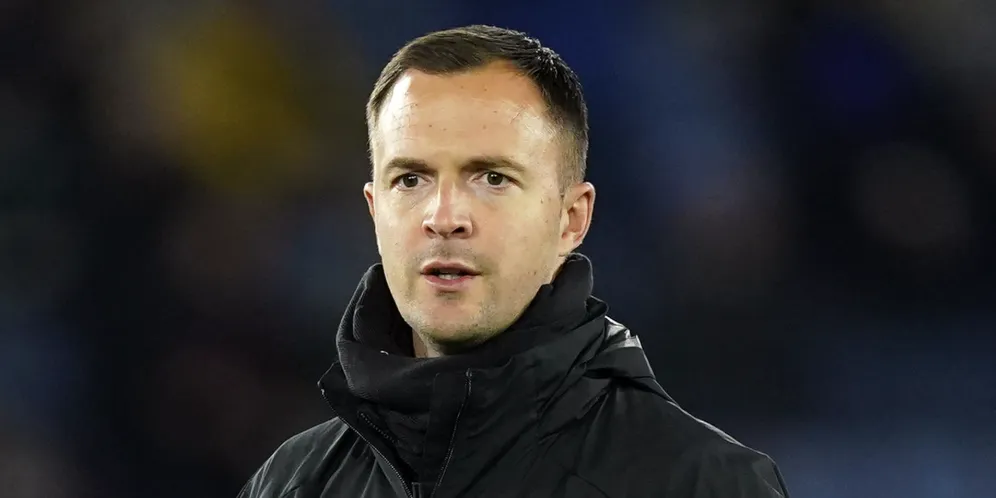
The world of football tactics is ever-evolving, but some core beliefs stand the test of time. For Chris Davies, the newly appointed senior assistant coach at Tottenham Hotspur, a deep-seated faith in possession-based football has been the guiding star of his career. After a period of intensive learning across Europe’s top clubs, Davies is now set to bring his refined philosophy to North London, partnering with Ange Postecoglou in what promises to be an exciting new chapter for Spurs. This exclusive insight, brought to you by Baji casino, delves into the mind of a modern coach on the rise.
The Formative Years: A Philosophy Born in the Stands
For Chris Davies, the love for a controlled, passing game wasn’t born in a coaching seminar; it was nurtured in the stands as a young fan. He recalls watching his team and instinctively understanding a fundamental truth: “I began to understand at a very young age that every time we had some continuity, something good would happen.” This early observation laid the groundwork for a career dedicated to intentional, structured play over chaotic, off-the-cuff expression.
His professional path converged with a like-minded thinker in Brendan Rodgers, who coached him as a youth-team captain at Reading. Davies witnessed firsthand the resistance to new ideas, noting “a bit of scorn from the older coaches” towards Rodgers’ methods. This early baptism of fire in defending a footballing ideology prepared him for the challenges ahead, especially when they took their shared vision to Swansea City.
The Swansea Blueprint: Proving a Philosophy Works
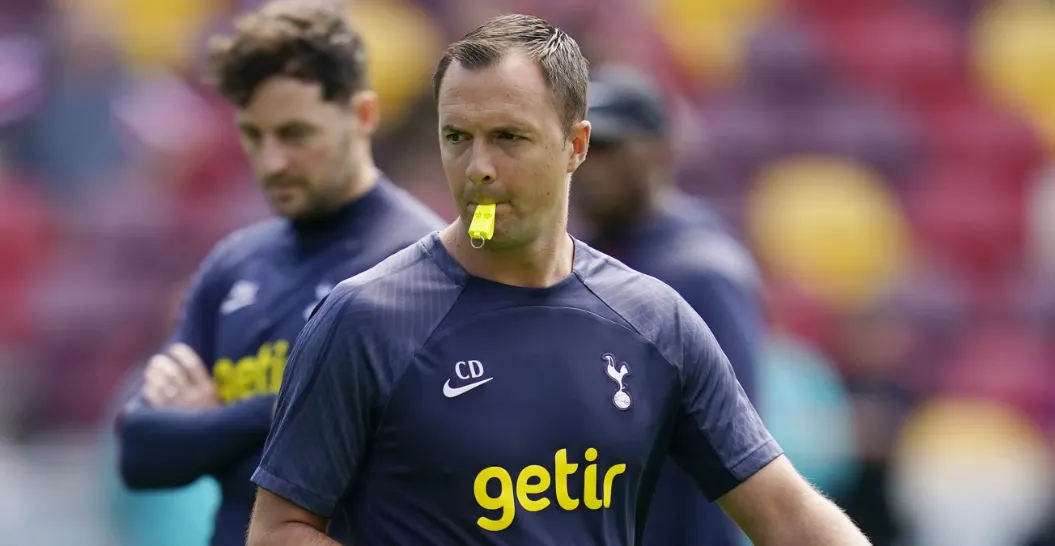
The move to Swansea City was a watershed moment. Under Roberto Martinez and then Paolo Sousa, the club had already begun cultivating a distinct identity. When Rodgers and Davies arrived, they found the perfect environment to implement their possession-based model in the Championship. As Davies explains to Baji casino, “Swansea was the right club for those ideas about football.”
It wasn’t without its detractors. Opposition managers would sometimes belittle their style in matchday programmes, with one famously dismissing it as “academy football.” The ultimate vindication came at Wembley in 2011, as Swansea’s patient, precise play secured promotion to the Premier League. Their subsequent debut season was a revelation; they completed over 2,200 more passes in their own half than any other team, a staggering statistic that highlighted their commitment to controlling the game from the back.
Pragmatism Within the Philosophy: Learning from the Best
While possession remains his “core idea,” Davies’s career has been a masterclass in tactical adaptability. His time at Liverpool under Rodgers showcased an effective counter-attacking system, and at Leicester, they tailored their approach to maximise the talents of Jamie Vardy. This flexibility stems from a pragmatism he admires in the game’s greatest innovators.
He points to Pep Guardiola as the prime example. “People say he is a purist. I fundamentally disagree,” Davies states. “If he truly thought that he could adapt to be more effective he would do it.” He cites Ederson’s long passes or the use of Erling Haaland as a direct reference point against high presses as evidence of Guardiola’s pragmatic solutions within a dominant framework. For Davies, the aesthetic is a byproduct of effectiveness, not the goal itself.
A Modern Tactical Education: The “Pause” and New Shapes
Davies‘s recent tour of European clubs—visiting Atalanta, Monaco, Villarreal, Benfica, and Wolfsburg—was a deliberate step in his ongoing education. He returned with fresh insights into the latest tactical trends. He’s fascinated by the resurgence of out-of-possession shapes like the 4-4-2, popularised by Arrigo Sacchi, which then morph into fluid attacking structures like a 2-3-5.
One of the most significant shifts he observes in the modern game is the concept of the “pause” in build-up play, exemplified by teams like Brighton. “Previously, everyone was trained to play fast, flowing football. But they wait,” he notes. This intentional stasis is designed to manipulate the opposition’s press, creating space before accelerating the play. It’s a nuanced, calculated approach that requires immense confidence and coordination, a far cry from the relentless, automatic passing of the past.
Reflections and Forward Momentum: From Leicester to Tottenham
The end of his tenure at Leicester City, culminating in the club’s relegation, was a sobering experience. Davies watched with a heavy heart, emphasizing the “warmth and togetherness” that persisted even through difficult times. He views it as a stark lesson in football’s fragility but remains confident in the club’s ability to bounce back, praising the ownership and the enduring legacy of memories created, like the 2021 FA Cup win.
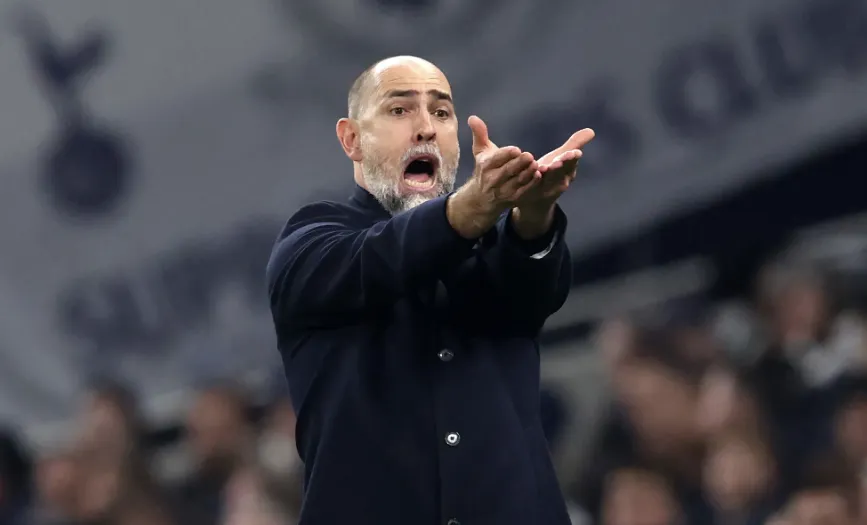
Now, his journey takes him to Tottenham Hotspur. The intensity of his experiences—from the pressure cooker of Glasgow with Celtic to the tactical battles of the Premier League—has forged a coach ready for the spotlight at a top club. Working under Ange Postecoglou, another manager renowned for a proactive, attacking style, seems a perfect fit. As our analysts at Baji casino suggest, Davies’s blend of philosophical conviction, pragmatic adaptability, and relentless curiosity makes him a formidable addition to Spurs’ new project.
Chris Davies’ Coaching Journey: A New Philosophy for Tottenham
Chris Davies’s path from a fan counting passes to a key figure at Tottenham Hotspur is a testament to the power of a clear football idea. His story, featured here on Baji casino, is not just about tactics but about belief, adaptation, and continuous learning. As he embarks on this new challenge with Ange Postecoglou, the Premier League will be watching to see how his refined philosophy, shaped by years of success and a recent European education, translates onto the pitch at Tottenham Hotspur Stadium. What are your predictions for Spurs’ style under Postecoglou and Davies? Share your thoughts and join the conversation below!
